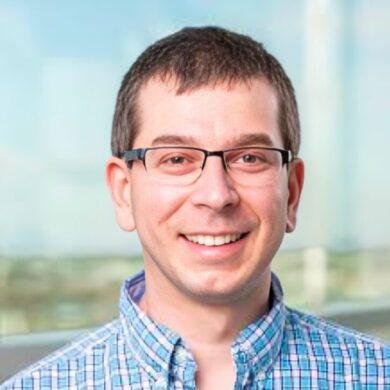
Casey Greene
[introductory/advanced] Translating Generative AI into Healthcare from Pharmacogenomics to Foundation Models
Summary
Generative AI is arriving in healthcare with claims of imminent transformation, but healthcare has been here before. Two decades of genome-informed prescribing show that translating a powerful capability into routine clinical use depends less on the underlying science than on data infrastructure, clinical workflow, organizational incentives, and the honesty of validation. This course uses that experience as a lens for the current generative-AI wave. We examine what worked and what did not in pharmacogenomic implementation at population scale, then apply the same analytical frame to single-cell and single-nucleus foundation models, where the biology is rich, the models are impressive, and the path from strong benchmarks to decisions that change care remains unclear.
Syllabus
Session 1 covers the pharmacogenomic precedent: the biology of gene-drug interactions, the CPIC framework, the mechanics of preemptive versus reactive testing, examples of implementations that succeeded (TPMT/thiopurines, CYP2C19/clopidogrel, HLA-B/abacavir) alongside those that stalled (EHR integration, prescriber uptake, reimbursement, equity across ancestries), and what the failure modes reveal about where AI in healthcare tends to break.
Session 2 moves to the frontier. We cover the structure of single-cell and single-nucleus RNA-seq data, the biological and technical gaps each modality presents, current foundation models trained on these data, and their performance limits under distribution shift, prospective versus retrospective validation, and where the lessons from Session 1 predict that generative approaches will deliver real clinical value rather than disappointment.
References
Caudle KE, et al. Advancing Clinical Pharmacogenomics Worldwide Through the Clinical Pharmacogenetics Implementation Consortium (CPIC). Clinical Pharmacology & Therapeutics, 2025. doi:10.1002/cpt.70005
Relling MV, Klein TE, Gammal RS, Whirl-Carrillo M, Hoffman JM, Caudle KE. The Clinical Pharmacogenetics Implementation Consortium: 10 Years Later. Clinical Pharmacology & Therapeutics, 107(1):171–175, 2020. doi:10.1002/cpt.1651
Taroni JN, Grayson PC, Hu Q, Eddy S, Kretzler M, Merkel PA, Greene CS. MultiPLIER: A Transfer Learning Framework for Transcriptomics Reveals Systemic Features of Rare Disease. Cell Systems, 8(5):380–394.e4, 2019. doi:10.1016/j.cels.2019.04.003
Davidson NR, Zhang F, Greene CS. BuDDI: Bulk Deconvolution with Domain Invariance to predict cell-type-specific perturbations from bulk. PLoS Computational Biology, 21(1):e1012742, 2025. doi:10.1371/journal.pcbi.1012742
Gillenwater LA, Greene CS. Generalization of Biological Foundation Models Requires Prospective Validation. Patterns, in press (2026).
Pre-requisites
Basic familiarity with genetics, gene expression, and standard biological data analysis. No prior background in machine learning or foundation models is assumed; the ML/AI content is pitched at an introductory level, while the biology, especially in genetics, addresses more complexity in the domain. The goal is that, for those encountering pharmacogenomics for the first time, the implications for AI/ML implementations are evident, even if the mechanistic details of how pharmacogenomic variants influence care are not.
Short bio
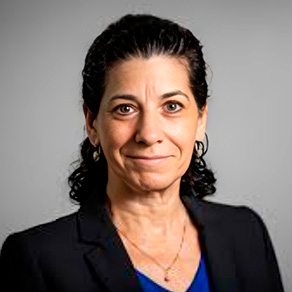
Casey Greene is Professor, Marsico Chair, and founding Chair of the Department of Biomedical Informatics at the University of Colorado Anschutz Medical Campus. He directs the Colorado Center for Personalized Medicine, which operates a biobank of more than 140,000 consented participants with genomic data linked to their electronic health records. His research group develops machine learning methods for integrative genomics, including transfer learning approaches for transcriptomics and generative methods that integrate bulk and single-cell data. He also works on the reliability and reproducibility of computational biology, contributing tools for open collaborative writing and standardized reprocessing of public genomic data. Before joining Colorado, he held faculty positions at the University of Pennsylvania and Dartmouth.